Would you like to switch to the accessible version of this site?

Go to accessible site Close modal window

Don't need the accessible version of this site?

Hide the accessibility button Close modal window
Accessibility View Close toolbar
Shenandoah Animal Hospital

13600 State Road 84

Davie, FL 33325 US

954-370-7245

Open mobile navigation
  • Home
  • Online Pharmacy
  • New Patient Center
    • Online Forms
    • What to Expect
    • Veterinary Resources
    • Payment Options
  • About Us
    • Meet Our Team
    • Services
  • Contact Us
  • Blog
  • Veterinary Topics
    • Pet Health
      • Chronic Conditions
      • Digestive and Oral Health
      • Diseases and Viruses
      • Pests and Parasites
      • Orthopedics
    • Today's Veterinarian
    • Choosing Your Pet
      • Finding Your Pet
      • Cats
      • Dogs
      • Exotics
        • Amphibians
        • Birds
        • Reptiles
          • Lizards
          • Turtles
      • Small Mammals
        • Ferrets
        • Rabbits
        • Domesticated Animals
          • Prairie Dogs
        • Pocket Pets
          • Chinchillas
          • Guinea Pigs
          • Hamsters
          • Hedgehogs
          • Rats
      • Livestock
        • Cows
        • Donkeys, Horses & Mules
        • Goats
        • Pigs
        • Poultry
        • Sheep
    • Living With Your Pet
      • Bringing Your Pet Home
      • Children and Pets
      • Providing Care
      • Travel
      • Saying Goodbye
    • Newsletter Library
      • Cats
      • Tips for Pet Owners
      • Behavior & Training
      • Fleas & Parasites
      • Keeping Pets Healthy
      • Recognizing Illness
      • Nutrition & Food
      • Pet Dangers
      • Seasonal Topics
      • Visiting the Vet
      • Equine
      • Newsletter Archive
        • Fun with Pets
        • Unbelievable Pets
    • Video Newsroom
      • Health Topics
      • Technology and Science
      • Other Interests
    • Newsletter Library
    • Client Survey
    • Pets4Kids
  • Home >
  • Articles >
  • Newsletter Library >
  • Cats >
  • Lilies are Dangerous to Cats

Lilies are Dangerous to Cats

  • Created in Newsletter Library, Cats
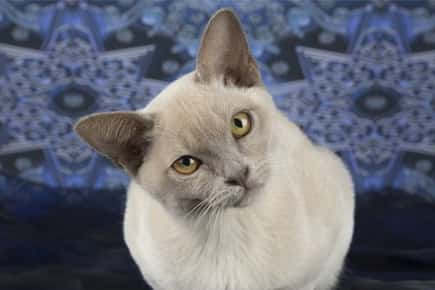
image of a cat.

A significant source of toxicity for cats that is unknown to many people are lilies. These flowers are beautiful, available in a variety of colors, and common in cut flower arrangements. They are also easy to grow and are found in many gardens. But, they can be very dangerous for cats. The Animal Poison Control Center operated by the American Society for the Prevention of Cruelty to Animals reports that the number of feline lily toxicity cases has been increasing every year. Cats actually seem to be attracted to lilies and will sometimes seek them out and ignore other non-toxic plants.

All true lilies belonging to the Lilium and Hemerocallis (day lilies) species are toxic. This includes tiger lilies, Stargazers, and Easter lilies. All parts of the plant, including the stems, leaves, petals, and stamens are toxic. Even the pollen is toxic. Outdoor cats walking through the plants or rubbing up against the flowers may get pollen in their coats. Later they can ingest the pollen when they groom their fur. The toxic chemical in the plant has not been determined and dogs are not affected.

Lilies cause kidney damage in cats. Even what may seem like a small exposure such as biting a leaf can cause a cat to die from kidney failure. Usually cats vomit after exposure and develop acute kidney failure within 24 to 72 hours. This phase causes more vomiting, depression, dehydration, and a lack of appetite. There is a "golden window" of opportunity of 18 hours for treating lily toxicosis. That is, most cats treated within 18 hours survive if treated aggressively with hospitalization with intravenous fluids, oral activated charcoal to bind the toxin, and sometimes cathartics.

Therefore, even if the exposure is not certain, but is a possibility, it is best if the cat is examined by a veterinarian immediately. Changes in blood tests for the kidneys (BUN, creatinine, and phosphorus) can be seen as early as 12 hours after ingestion. If it is longer than 18 hours since the cat was exposed, treatment is still performed as there is yet a chance the kidney tubules can compensate.

What can you do to avoid lily toxicity in cats? Don't plant lilies in your garden if your cats go outdoors, or better yet, don't allow your cats to go outside. When you order flowers from a florist for yourself or a friend who has cats, tell them not to include lilies. If you buy a flower arrangement from a grocery or other store, inspect it carefully for any flower that looks like a lily. In spite of all this, if your cat is exposed to a lily, take the kitty to your veterinarian right away!

  • Pet Health
    • Chronic Conditions
    • Digestive and Oral Health
    • Diseases and Viruses
    • Pests and Parasites
    • Orthopedics
  • Today's Veterinarian
  • Choosing Your Pet
    • Finding Your Pet
    • Cats
    • Dogs
    • Exotics
      • Amphibians
      • Birds
      • Reptiles
        • Lizards
        • Turtles
    • Small Mammals
      • Ferrets
      • Rabbits
      • Domesticated Animals
        • Prairie Dogs
      • Pocket Pets
        • Chinchillas
        • Guinea Pigs
        • Hamsters
        • Hedgehogs
        • Rats
    • Livestock
      • Cows
      • Donkeys, Horses & Mules
      • Goats
      • Pigs
      • Poultry
      • Sheep
  • Living With Your Pet
    • Bringing Your Pet Home
    • Children and Pets
    • Providing Care
    • Travel
    • Saying Goodbye
  • Newsletter Library
    • Cats
    • Tips for Pet Owners
    • Behavior & Training
    • Fleas & Parasites
    • Keeping Pets Healthy
    • Recognizing Illness
    • Nutrition & Food
    • Pet Dangers
    • Seasonal Topics
    • Visiting the Vet
    • Equine
    • Newsletter Archive
      • Fun with Pets
      • Unbelievable Pets
  • Video Newsroom
    • Health Topics
    • Technology and Science
    • Other Interests
  • Newsletter Library
  • Client Survey
  • Pets4Kids

Call us at 954-370-7245 to make your appointment today!

Error!

    • Services

      We strive to provide complete care for our patients. Learn more about all the services we provide.
    • Make An Appointment

      We will do our best to accommodate your busy schedule. Schedule an appointment today!
    • Online Forms

      Our patient forms are available online so they can be completed in the convenience of your own home or office.

    Office Hours

    Monday:

    8:00 am-6:00 pm

    Tuesday:

    8:00 am-6:00 pm

    Wednesday:

    8:00 am-6:00 pm

    Thursday:

    8:00 am-6:00 pm

    Friday:

    8:00 am-6:00 pm

    Saturday:

    8:00 am-2:00 pm

    Sunday:

    Closed

    Location

    Testimonial

    • "My experience was incredibly amazing. The doctors are both very knowledgeable. This office really care about every animal that comes in. They are very reasonable in comparison with other Vet hospitals. Our German Shepard just had surgery a month ago and she is doing so great! I highly recommend this place!"
      Damaris A. / Davie, FL

    Featured Articles

    Read about interesting topics

    • March Newsletter: How to Keep Your Cat Safe When Outdoors

      Wondering how your cat can safely spend time outdoors? ...

      Read More
    • March Newsletter: How to Choose Safe Blankets for Pets

      Do you know how to pick a safe blanket for your pet? ...

      Read More
    • February Newsletter: How to Reduce Dental Anxiety in Pets

      Does your pet hate toothbrushing? These tips could reduce dental anxiety. ...

      Read More
    • February Newsletter: How to Safely Change Your Cat’s Food

      Buying a new food for your cat? Find out how to switch foods safely. ...

      Read More
    • January Newsletter: Signs Your Pet Needs a Wellness Exam

      Does your pet need a wellness exam? ...

      Read More
    • January Newsletter: How Your Veterinarian Can Help If Your Pet Ingests Something Toxic

      Has your pet eaten something it shouldn't have? Find out how your vet can help. ...

      Read More
    • December Newsletter: Signs Your Pet Needs a Professional Cleaning

      Do you know when your pet needs a professional cleaning? ...

      Read More
    • December Newsletter: Simple Ways to Keep Your Home Flea-Free for Your Pet’s Well-being

      Never want to see another flea again? Try these tips for a flea-free home. ...

      Read More
    • November Newsletter: The Importance of Bloodwork for Your Pet’s Health

      Wondering if your pet really needs bloodwork? Find out the benefits of blood tests for your furry friend. ...

      Read More
    • November Newsletter: Turkey Day Tips for Pet Owners

      Don't forget about your pet when making Turkey Day preparations. ...

      Read More

    Newsletter Signup

    Sign up for more articles

    Error!

      Connect With Us

      • Copyright © 2026 MH Sub I, LLC dba iMatrix.
      • Admin Log In
      • Site Map