Would you like to switch to the accessible version of this site?

Go to accessible site Close modal window

Don't need the accessible version of this site?

Hide the accessibility button Close modal window
Accessibility View Close toolbar
Shenandoah Animal Hospital

13600 State Road 84

Davie, FL 33325 US

954-370-7245

Open mobile navigation
  • Home
  • Online Pharmacy
  • New Patient Center
    • Online Forms
    • What to Expect
    • Veterinary Resources
    • Payment Options
  • About Us
    • Meet Our Team
    • Services
  • Contact Us
  • Blog
  • Veterinary Topics
    • Pet Health
      • Chronic Conditions
      • Digestive and Oral Health
      • Diseases and Viruses
      • Pests and Parasites
      • Orthopedics
    • Today's Veterinarian
    • Choosing Your Pet
      • Finding Your Pet
      • Cats
      • Dogs
      • Exotics
        • Amphibians
        • Birds
        • Reptiles
          • Lizards
          • Turtles
      • Small Mammals
        • Ferrets
        • Rabbits
        • Domesticated Animals
          • Prairie Dogs
        • Pocket Pets
          • Chinchillas
          • Guinea Pigs
          • Hamsters
          • Hedgehogs
          • Rats
      • Livestock
        • Cows
        • Donkeys, Horses & Mules
        • Goats
        • Pigs
        • Poultry
        • Sheep
    • Living With Your Pet
      • Bringing Your Pet Home
      • Children and Pets
      • Providing Care
      • Travel
      • Saying Goodbye
    • Newsletter Library
      • Cats
      • Tips for Pet Owners
      • Behavior & Training
      • Fleas & Parasites
      • Keeping Pets Healthy
      • Recognizing Illness
      • Nutrition & Food
      • Pet Dangers
      • Seasonal Topics
      • Visiting the Vet
      • Equine
      • Newsletter Archive
        • Fun with Pets
        • Unbelievable Pets
    • Video Newsroom
      • Health Topics
      • Technology and Science
      • Other Interests
    • Newsletter Library
    • Client Survey
    • Pets4Kids
  • Home >
  • Articles >
  • Newsletter Library >
  • Recognizing Illness >
  • Chronic Pain in Pets

Chronic Pain in Pets

  • Created in Newsletter Library, Recognizing Illness
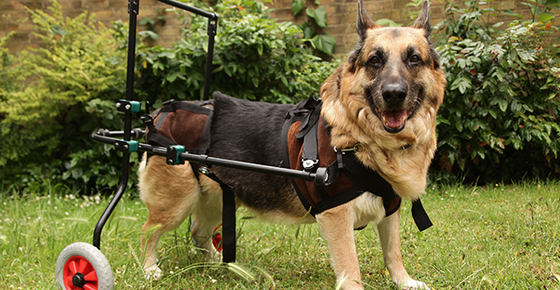
Image of a dog in a wheelchair.

It's hard to see your pet in pain day after day, particularly if your formerly energetic friend has now become lethargic and withdrawn due to a health condition or disease. Unfortunately, pets suffer from chronic pain just like people do. Learning about types of chronic pain and treatments can help you keep your pet more comfortable.

Causes of Chronic Pain

Although chronic pain most often affects older pets, it can occur at any age. A variety of conditions and diseases can cause chronic pain, including:

  • Arthritis, particularly if your pet has entered its senior years
  • Cancer
  • Degenerative spinal diseases
  • Hip dysplasia
  • Inflammatory joint disease, such as Lyme disease and rheumatoid arthritis

How Your Pet's Veterinarian Can Help

If you notice a change in your pet's behavior or condition, a visit to the veterinarian is a good idea. Your pet's doctor will perform a complete examination and may recommend one or more tests, such as X-rays or blood tests, to determine the source of your furry friend's pain. Based on the results of the examination and tests, the veterinarian will recommend a course of treatment, which may include prescription medications, physical therapy or surgery. Several types of prescription medications can be helpful if your pet suffers from chronic pain, including:

  • Non-steroidal anti-inflammatory medications
  • Steroids
  • Opioids, including fentanyl and morphine
  • Chemotherapy drugs
  • Antidepressants (These drugs not only treat depression, but can also reduce pain)
  • Lidocaine and other local anesthetics
  • Gabapentin, a seizure medication that is also helpful in treating nerve pain

Although many of the same drugs that help you feel better can also help animals, do not give your pet any medication without checking with a veterinarian first. Some medications that are safe for humans are toxic when taken by animals.

How You Can Help

After diagnosing your pet, his or her veterinarian will recommend things you can do to make your pet more comfortable. These may include:

  • Helping your pet lose weight. Extra pounds can stress the joints and make the symptoms of arthritis, hip dysplasia or other joint conditions worse. Your pet's veterinarian can provide suggestions about feeding amounts and special foods that can make losing weight easier.
  • Making exercise a priority. Exercise will not only help your pet lose weight but can also reduce pain caused by arthritis. Low-impact exercises, such as walking and swimming, are best. Exercise strengthens the joints and the muscles that help support the joints.
  • Adding a massage to your pet's daily schedule. Massage is very effective in easing joint stiffness and improving range of motion.
  • Focusing on comfort. It can be difficult for pets suffering from joint problems, cancer or other painful conditions to jump or walk. Make their lives easier by accommodating their disabilities. If your pet normally sleeps with you but can longer jump on the bed, buy or build steps or a ramp to allow him or her to continue to spend time with you. Pet beds provide a comfortable resting place during the day or night and help your pet avoid cold floors, which can make joint pain worse. If your cat has a joint disease, it may be difficult to reach the litter box in time. Place a litter box on every level of your home to avoid accidents.

Are you worried that your pet may be in pain? Call us today to schedule an appointment for your furry friend.

  • Pet Health
    • Chronic Conditions
    • Digestive and Oral Health
    • Diseases and Viruses
    • Pests and Parasites
    • Orthopedics
  • Today's Veterinarian
  • Choosing Your Pet
    • Finding Your Pet
    • Cats
    • Dogs
    • Exotics
      • Amphibians
      • Birds
      • Reptiles
        • Lizards
        • Turtles
    • Small Mammals
      • Ferrets
      • Rabbits
      • Domesticated Animals
        • Prairie Dogs
      • Pocket Pets
        • Chinchillas
        • Guinea Pigs
        • Hamsters
        • Hedgehogs
        • Rats
    • Livestock
      • Cows
      • Donkeys, Horses & Mules
      • Goats
      • Pigs
      • Poultry
      • Sheep
  • Living With Your Pet
    • Bringing Your Pet Home
    • Children and Pets
    • Providing Care
    • Travel
    • Saying Goodbye
  • Newsletter Library
    • Cats
    • Tips for Pet Owners
    • Behavior & Training
    • Fleas & Parasites
    • Keeping Pets Healthy
    • Recognizing Illness
    • Nutrition & Food
    • Pet Dangers
    • Seasonal Topics
    • Visiting the Vet
    • Equine
    • Newsletter Archive
      • Fun with Pets
      • Unbelievable Pets
  • Video Newsroom
    • Health Topics
    • Technology and Science
    • Other Interests
  • Newsletter Library
  • Client Survey
  • Pets4Kids

Call us at 954-370-7245 to make your appointment today!

Error!

    • Services

      We strive to provide complete care for our patients. Learn more about all the services we provide.
    • Make An Appointment

      We will do our best to accommodate your busy schedule. Schedule an appointment today!
    • Online Forms

      Our patient forms are available online so they can be completed in the convenience of your own home or office.

    Office Hours

    Monday:

    8:00 am-6:00 pm

    Tuesday:

    8:00 am-6:00 pm

    Wednesday:

    8:00 am-6:00 pm

    Thursday:

    8:00 am-6:00 pm

    Friday:

    8:00 am-6:00 pm

    Saturday:

    8:00 am-2:00 pm

    Sunday:

    Closed

    Location

    Testimonial

    • "My experience was incredibly amazing. The doctors are both very knowledgeable. This office really care about every animal that comes in. They are very reasonable in comparison with other Vet hospitals. Our German Shepard just had surgery a month ago and she is doing so great! I highly recommend this place!"
      Damaris A. / Davie, FL

    Featured Articles

    Read about interesting topics

    • March Newsletter: How to Keep Your Cat Safe When Outdoors

      Wondering how your cat can safely spend time outdoors? ...

      Read More
    • March Newsletter: How to Choose Safe Blankets for Pets

      Do you know how to pick a safe blanket for your pet? ...

      Read More
    • February Newsletter: How to Reduce Dental Anxiety in Pets

      Does your pet hate toothbrushing? These tips could reduce dental anxiety. ...

      Read More
    • February Newsletter: How to Safely Change Your Cat’s Food

      Buying a new food for your cat? Find out how to switch foods safely. ...

      Read More
    • January Newsletter: Signs Your Pet Needs a Wellness Exam

      Does your pet need a wellness exam? ...

      Read More
    • January Newsletter: How Your Veterinarian Can Help If Your Pet Ingests Something Toxic

      Has your pet eaten something it shouldn't have? Find out how your vet can help. ...

      Read More
    • December Newsletter: Signs Your Pet Needs a Professional Cleaning

      Do you know when your pet needs a professional cleaning? ...

      Read More
    • December Newsletter: Simple Ways to Keep Your Home Flea-Free for Your Pet’s Well-being

      Never want to see another flea again? Try these tips for a flea-free home. ...

      Read More
    • November Newsletter: The Importance of Bloodwork for Your Pet’s Health

      Wondering if your pet really needs bloodwork? Find out the benefits of blood tests for your furry friend. ...

      Read More
    • November Newsletter: Turkey Day Tips for Pet Owners

      Don't forget about your pet when making Turkey Day preparations. ...

      Read More

    Newsletter Signup

    Sign up for more articles

    Error!

      Connect With Us

      • Copyright © 2026 MH Sub I, LLC dba iMatrix.
      • Admin Log In
      • Site Map